

Lesson at a Glance: Harry Styles / Stative Verbs
- Media / Artist: Harry Styles
- Target Level: B2
- Duration: 60 minutes
- Language Focus: ESL Song Lesson Plan (Stative and Dynamic Verbs)
- Methodology: BEAT+ Method / MUSIC+ Framework (Narrative Soak, Logic Transfer, Mediation, Creative Expression)
- Key Outcome: Analyze mechanical metaphors, differentiate verb types for emotional debate, and synthesize lexical metaphors in reflective writing.
- Materials: Downloadable PDF, Google Slides, Worksheets, and Assessment pack.
Featured Artist (used in this lesson)
This lesson is built around the cinematic storytelling of Harry Styles. His lyrics create the perfect backdrop to explore the tension between what we do and who we are—the heart of stative vs. dynamic verbs in authentic communication.
Ever watch B2 students circle verbs like know, believe, or belong and realize they still cannot use them in real conversation? That blank stare is not their fault. Traditional grammar lessons turn language into memorization, stripping it of meaning.
Grammar is a lens for perception. Research in the science of song-based learning shows that music activates emotional processing and interpretive reasoning simultaneously. The difference between is and appears shapes how we interpret truth and emotion. Students may label verbs correctly, but if they cannot read meaning, the learning stops at the page. The problem is lesson design, not effort. Grammar should act as a Perception Filter, guiding interpretation, debate, and authentic expression.
From Grammar Drills to Cognitive Mediation (MUSIC+ in Action)
Old Model: Students memorize verbs and complete isolated sentences.
New Model: Students use a Perception Filter to distinguish temporary actions from permanent states. Music anchors these insights in memory.
Instead of simple listening checks, students actively defend their interpretations of a character’s honesty using target verbs. Grammar becomes part of a cognitive journey, not a checkbox.
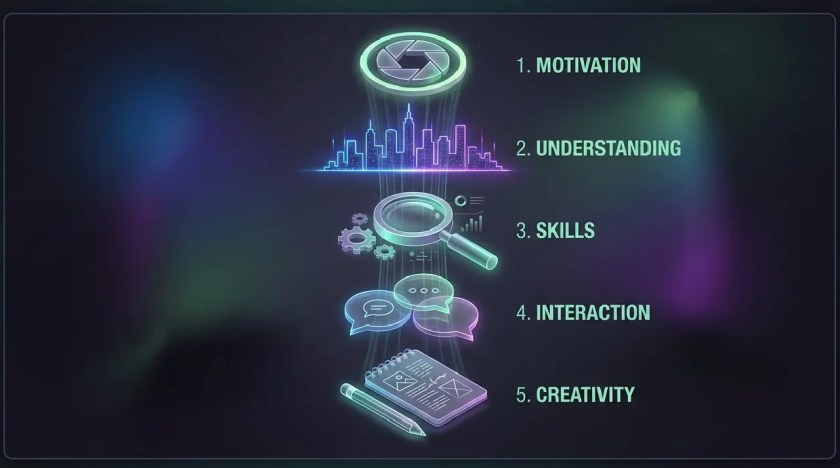
Engineering the “Aperture” Experience
Here’s how the lesson unfolds in practice, step by step, to keep students engaged and thinking: This lesson flows through five layers, each designed to keep learners engaged and thinking:
- Motivation Layer – Visual Hook
A camera aperture sparks curiosity: what do we “let in” vs. “keep out”? - Understanding Layer – Narrative Soak
A neon-lit Tokyo scene immerses students in the emotional atmosphere before tackling grammar logic. - Skill Activation Layer – Verb Hunt
Students discover how verbs like appear and belong function differently than go or toy. - Interaction Layer – Cadence Debate
Using Battle Cards, students negotiate meaning and challenge each other’s interpretations of the singer’s vulnerability. - Creative Output Layer – Pushed Output
Learners synthesize their understanding in personal reflections, applying grammar in authentic expression.
Lesson Snapshot: The Perception Filter
- Level: B2 (Vantage)
- Duration: 60 Minutes
- Skills: Listening, Narrative Inference, Argumentation, Descriptive Writing
- Objectives: Distinguish behavior vs. state; decode technical metaphors; debate emotional authenticity
Step-by-Step Lesson Flow
Here’s the lesson flow overview. The downloadable PDF includes full teacher notes, ready-to-use materials, and implementation support.

Step 1: Students look at a camera lens and notice how it controls light. You might ask them how people decide what to show or hide, and they usually have some interesting takes about perspective and personality.
Step 2: They listen to the song, just focusing on the overall mood at first. Sometimes they’ll catch certain emotions immediately, sometimes it takes a couple of listens—it’s all part of settling into the vibe.
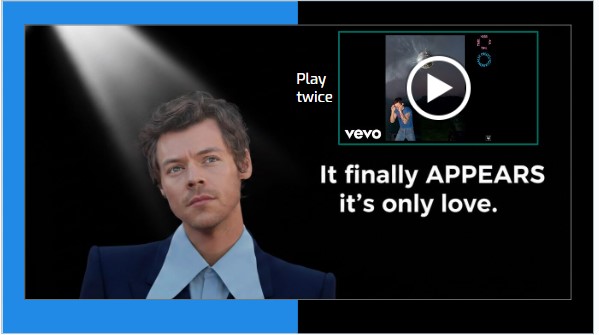
Step 3: Students spot where the singer’s perspective seems to change. Then they talk about what might have caused it. This helps them connect the feelings in the song to the story behind it.
Step 4: They sort verbs into actions versus states. It’s not about memorizing a list—students often notice patterns themselves and sometimes get a little surprised by what counts as a “state.”
Step 5: Students talk through the metaphors in the lyrics, like “trap doors,” and what they might mean about emotions or relationships. It’s a little tricky, but that discussion sparks great insight.
Step 6: In small groups, students debate if the singer is being sincere or just performing. You’ll notice some will change their mind halfway through as they hear others’ ideas.
Step 7: Pairs go head-to-head using song lines as evidence. It gets lively, and most students really enjoy defending their interpretations.
Step 8: Finally, students write a short reflection on the song’s ending, making sure to include at least one perception verb and one state verb. It’s always interesting to see how differently they express themselves.

The Strategic Eye (BEAT+ Teacher Insight)
Where students disengage: During grammar noticing, B2 learners often miscategorize verbs like know or appear as actions, simply because the music makes them feel active.
Why it happens cognitively: Students hear the beat, not the state.
Our solution – the Freeze Test:
“Can I see you running?” ✅ Yes
“Can I see you believing?” ❌ No
Physical cues immediately clarify the boundary between action and state.
Assessment That Actually Proves Learning
Forget soul-crushing quizzes. Teachers can measure real communicative performance using structured frameworks designed to assess ESL learning with songs:
- Summative Rubric: Evaluates interpretation and accurate use of perception verbs.
- Formative Pulse Checks: Debate Engagement Checklist tracks thinking and mediation skills.
This provides institutional credibility while keeping assessment meaningful and stress-free.
From Content Deliverer to Learning Architect
The shift is not just about better songs. Using the MUSIC+ Framework as the classroom engine, guided by the overarching BEAT+ Method, you move from delivering content to designing cognitive experiences that empower students to communicate with unfiltered authenticity.
You can explore more structured lesson classifications inside the 2026 pedagogical song index.
What You’re Getting (Free)
Download the Free Instructions PDF, including:
👉 Google Slides
👉 Student Worksheet
👉 Assessment Pack
DOWNLOAD THE PDF (Direct Access)
No registration required. Just click and save.
Author Bio
About the Author
Márcia Bonfim is an ESL/EFL teacher and the creator of Song Activity Factory. She helps educators design cognitively engaging lessons using her signature BEAT+ Method, built around the MUSIC+ Framework.
Her work focuses on transforming songs from “fun extras” into structured learning systems that develop real communicative performance at higher levels.
 Song Activity Factory