
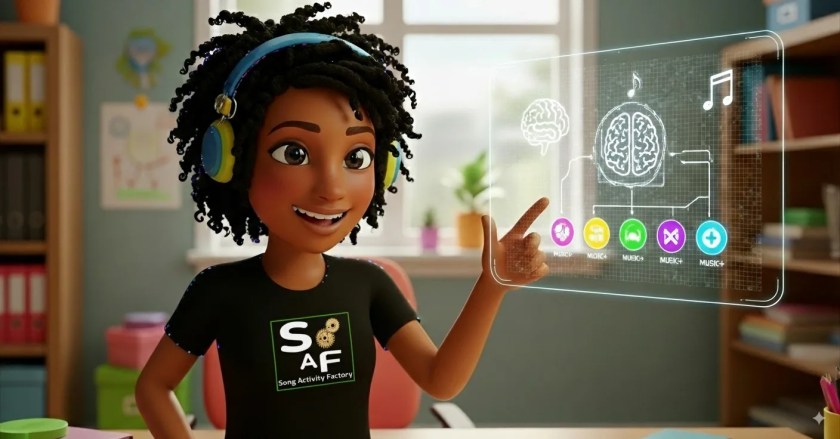
The Science Behind Creative Song Activities for the ESL Classroom
There was a time I was not aware. A time when I did everything by the book in my own classroom.My lessons were flawless on paper, but I realized I was teaching “Silent Knowledge.” This is English that lived in their heads but never reached their lips. I could feel a space between the grammar they knew on paper and the voice they were actually using. The spark wasn’t missing; it was just waiting to be Activated.
Have you ever felt that? That quiet hum of disconnect, even when you’ve done everything right? We do everything ‘right,’ but we teach the mind and forget the SOUL. And our lessons become technically sound, but emotionally silent. So how do we fix this? How do we invite their whole being—emotions, memories, their unique energy—into the room?
We tap into the one language the soul already understands. Music. And what if I told you it’s not just a beautiful idea—it’s science. This guide is here to break down the research that forms the bedrock of the BEAT+ Method, turning that wonderful feeling into a reliable, purpose-driven strategy for your classroom.
Structured Song-Based Pedagogy is the instructional field that emerges from this research — a systemized approach to transforming songs into rigorous, assessable learning environments rather than using them as isolated activities. At Song Activity Factory, this approach is operationalized through my signature MUSIC+ Framework and the BEAT+ Method, which translate the science of engagement, memory, and communication into a clear pedagogical flow teachers can apply with confidence.
This research foundation is not just theory — it directly informs how songs are selected and classified inside the 2026 Pedagogical Song Index, where contemporary music is evaluated using linguistic density, grammar salience, processing demand, and communicative transfer criteria. Explore the full classification system here.
Why Teaching English with Music is So Effective: The Research
Years of neurological and educational research show us why songs are so much more than just a fun warm-up. They are a complete, heart-centered teaching tool. The BEAT+ Method is built on these five core principles—the very heartbeat of why this works.
Music and Language Share Brain Pathways
Did you know that your brain doesn’t treat music and language as two separate things? It’s true! Research shows they activate many of the same neural pathways, including those areas absolutely CRITICAL for speech production.
When your students engage with a song, they are literally strengthening the connections needed for language fluency. This simple, powerful act makes learning feel more intuitive, more joyful, and so much less like a chore. Isn’t that amazing?
Songs Provide Context for Vocabulary and Grammar
Songs provide authentic, memorable context for new words and grammar. The natural repetition in a chorus is a fantastic tool that helps students internalize patterns without boring drills.This is one of the most creative ways to teach vocabulary with music in ESL, making the learning process feel natural and meaningful.
Singing Improves English Pronunciation and Fluency
Mastering the rhythm, stress, and soul of English pronunciation is a HUGE challenge for our learners. Because singing is a physical act, it lovingly trains the muscles in the mouth and throat to form new sounds and find new rhythms.
This is exactly why song activities for teaching English pronunciation are so deeply effective. Students can feel the flow of the language in a way that just reading a word off a page could never, ever replicate. They are not just learning the language; they are embodying it.
Music Lowers Student Anxiety (The “Affective Filter”)
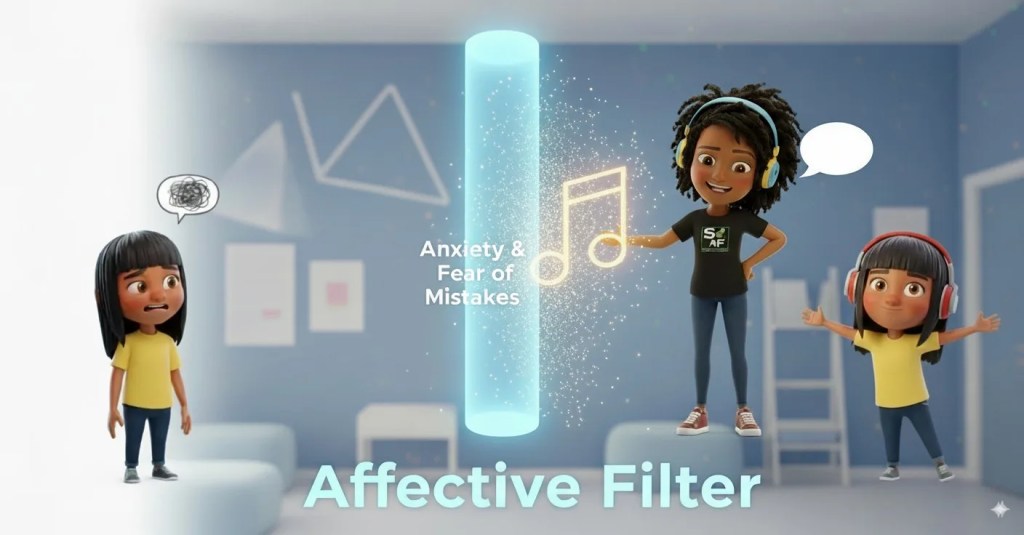
What is the biggest barrier to learning? It isn’t grammar; it’s the fear of making a mistake. It’s that little voice of self-doubt. Researchers call this the “affective filter,” an emotional wall that goes up the minute our students feel stressed or judged.
And what is one of the best tools on Earth for lowering this wall? You guessed it. Music. It creates a relaxed, positive, low-stress environment where students feel safe, motivated, and willing to participate with their whole hearts. This is especially powerful for song activities for engaging reluctant ESL students.
Songs Offer Authentic Cultural Immersion
Songs are more than just words; they are living, breathing pieces of culture. They open a window into the values, stories, and soul of English-speaking societies.
Analyzing lyrics can spark genuine, meaningful conversations and foster an intercultural understanding that goes far beyond vocabulary lists. This process also naturally develops song activities for teaching English 21st century skills like critical thinking, empathy, and cultural awareness.
How the MUSIC+ Framework Turns Science into a Simple System
The BEAT+ Method is a direct result of this research, built from the ground up to create the best possible conditions for learning. The MUSIC+ Framework is what turns these scientific ideas into a simple, practical system for you.
The Secret Ingredient: How the MUSIC+ Framework Creates a State of ‘Flow’
Have you ever witnessed that magic moment when a student is so absorbed in learning that everything else just melts away? That beautiful state of being is the heart of Flow Theory, an idea brought to us by the brilliant psychologist Mihaly Csikszentmihalyi.
Flow happens when “Knowing” becomes “Doing.” It’s that soul-deep feeling where the Activation Loop takes over, and English flows without the translation lag. It is the state of optimal experience and, I truly believe, Optimal Activation.
This is exactly why the structure of the MUSIC+ Framework isn’t an accident. It is a conscious, step-by-step system I designed to intentionally create the very conditions for Flow in YOUR classroom. Because as Csikszentmihalyi discovered, this powerful state isn’t just random; it can be invited when certain conditions are met:
- The goals are perfectly clear.
- You get immediate feedback.
- There is a perfect balance between the challenge and your skills.
- Actions and awareness merge, and the activity becomes spontaneous.
- Distractions are naturally excluded.
- There is no worry of failure.
- The experience is its own reward (autotelic).
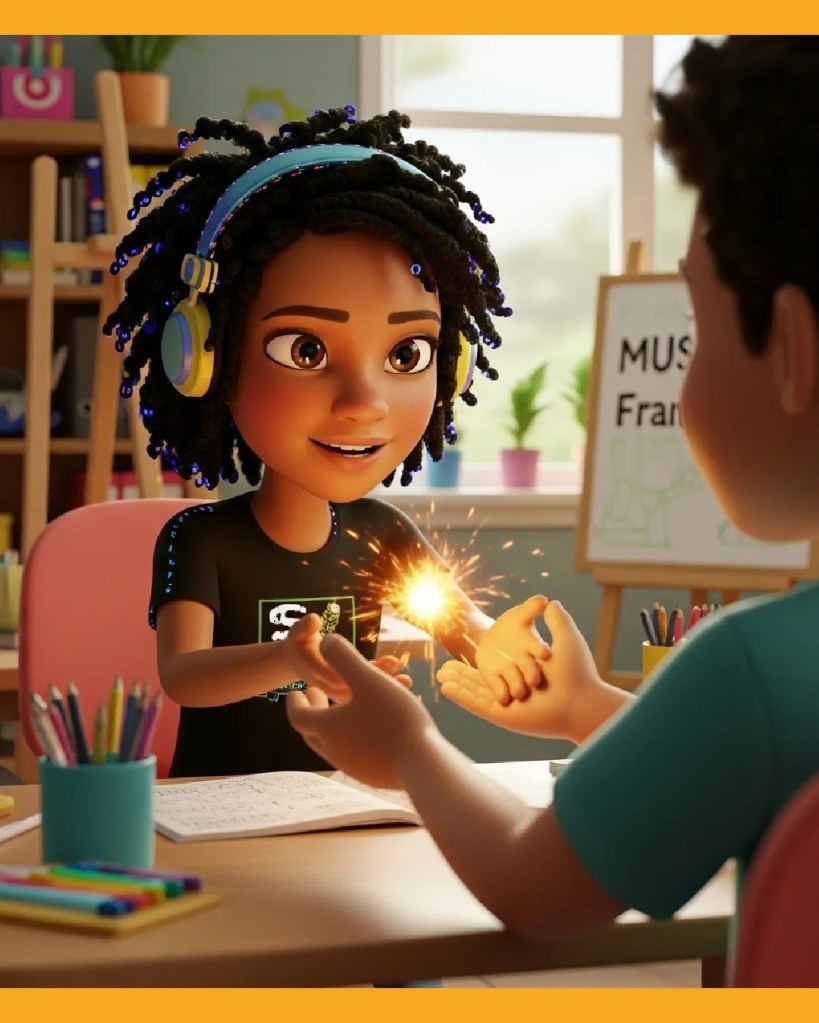
🚀 Motivation+ (M+): Harnessing the Affective & Motivational Benefits
For us, the lesson always begins with connection, not correction. M+ is all about lowering that “affective filter” right from the start. Instead of grammar rules, we begin with an “initial spark of interest and emotional connection.” We use novelty and personal relevance to create a positive space where students feel curious and ready to learn, not worried about getting it wrong.
This directly creates the conditions for Flow by sparking curiosity and removing the worry of failure. Read more on the Motivation+ Principle.
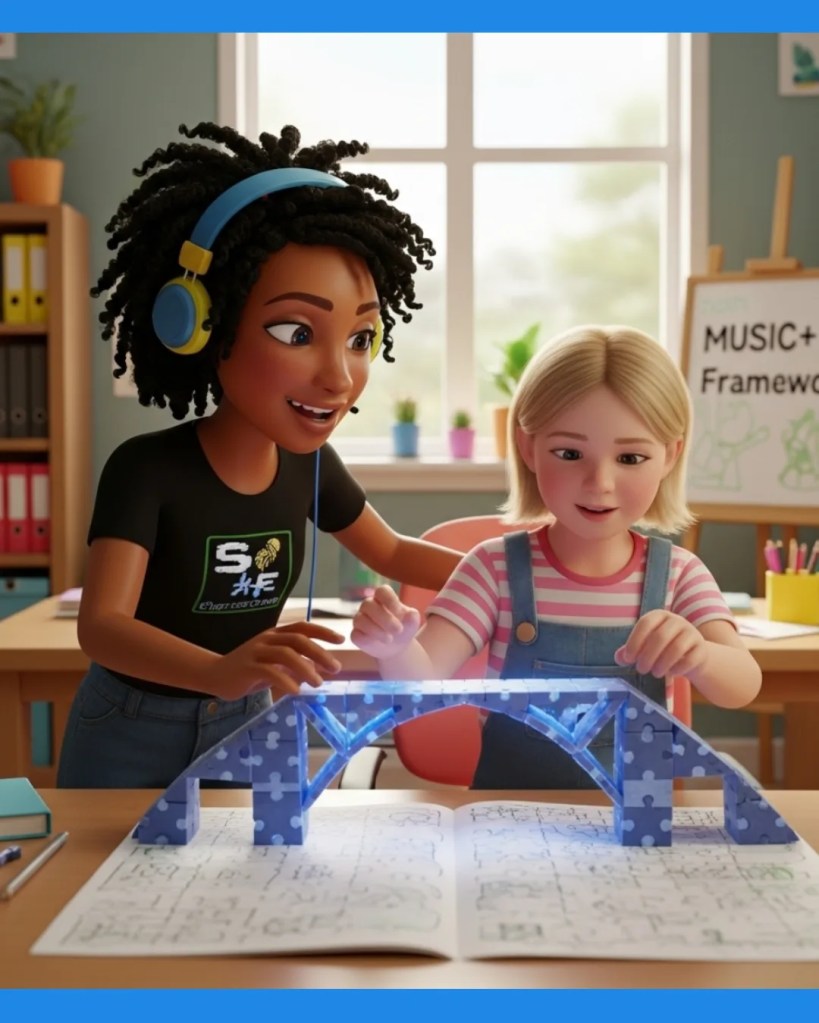
💡 Understanding+ (U+): Activating Cultural Immersion & Context
Next, we build the foundation for true Authentic Cultural Immersion. Before students get tangled up in specific words, U+ activities create the “cognitive foundation” they need to get the song’s real meaning and cultural feel. By activating what they already know, we help them connect the song’s world to their own. That makes the language stick.
This supports a Flow state by ensuring the goals are clear and the challenge feels achievable. Read more on the Understanding+ principle.
🛠️ Skills+ (S+): Targeting Vocabulary, Grammar & Pronunciation
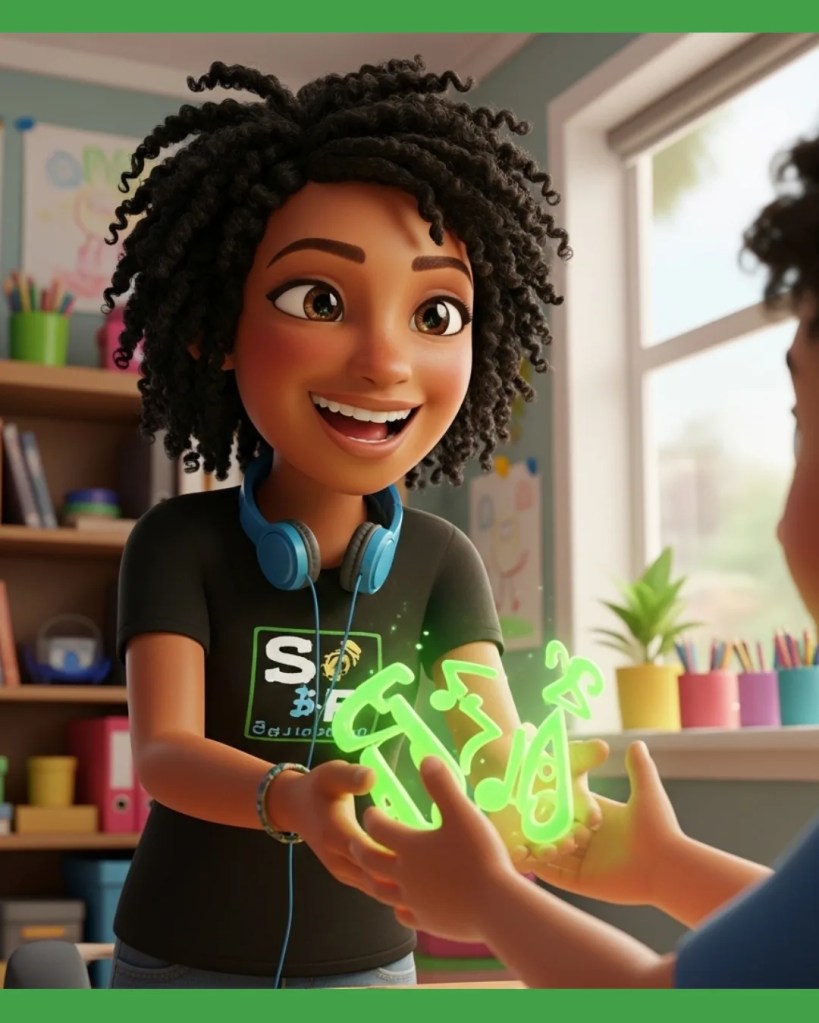
Now we enter The Activation Engine. This is where Linguistic Noticing happens. With the song’s lyrics as our guide, students hunt for the “hidden tools.” These are the language pieces they already recognize but haven’t been able to use in real life yet. It turns grammar from a dry rule into a sharp, active tool they can’t wait to try out.
This builds the perfect balance between challenge and skill, a core component of Flow.
💬 Interaction+ (I+): Strengthening Neural Pathways Through Communication
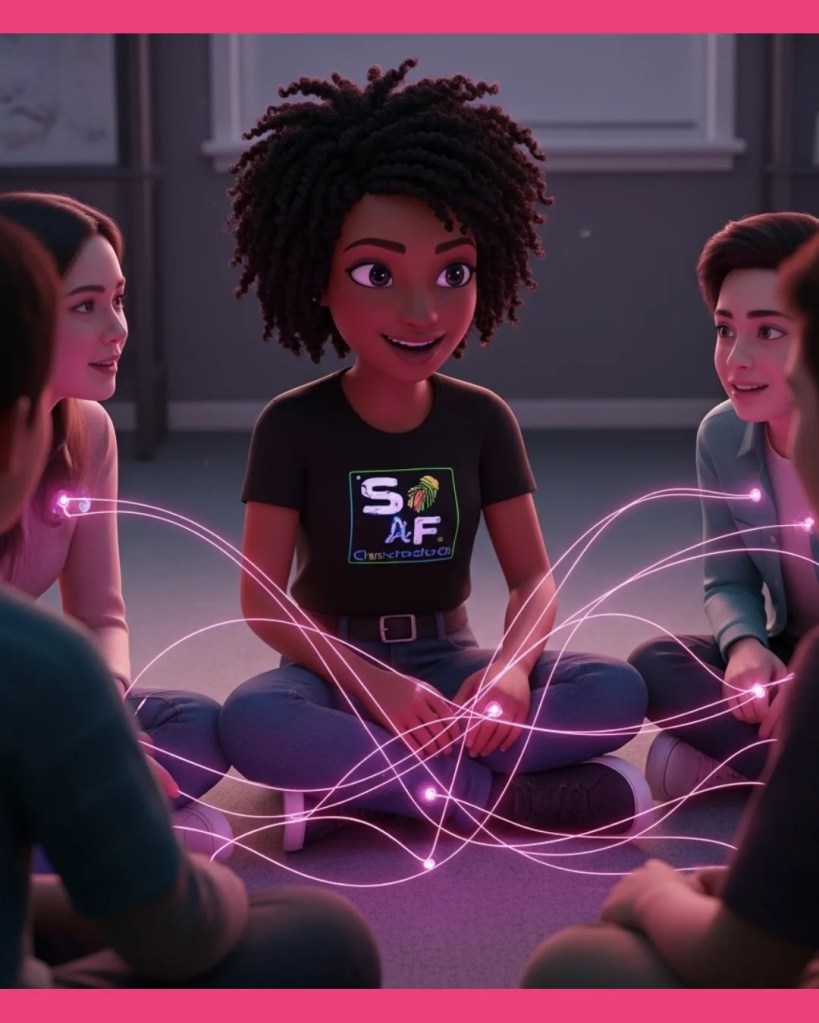
This step powers The Activation Loop. We take those “hidden tools” and put them into a high-stakes social negotiation. Students don’t just “talk.” They debate, solve problems, and build meaning together. This forces the brain to move from “thinking” about English to automatically doing it in a real-world experience.
This collaborative stage provides immediate feedback from peers, keeping students in a state of Flow.
✨ Creativity+ (C+): Solidifying Learning Through Original Production
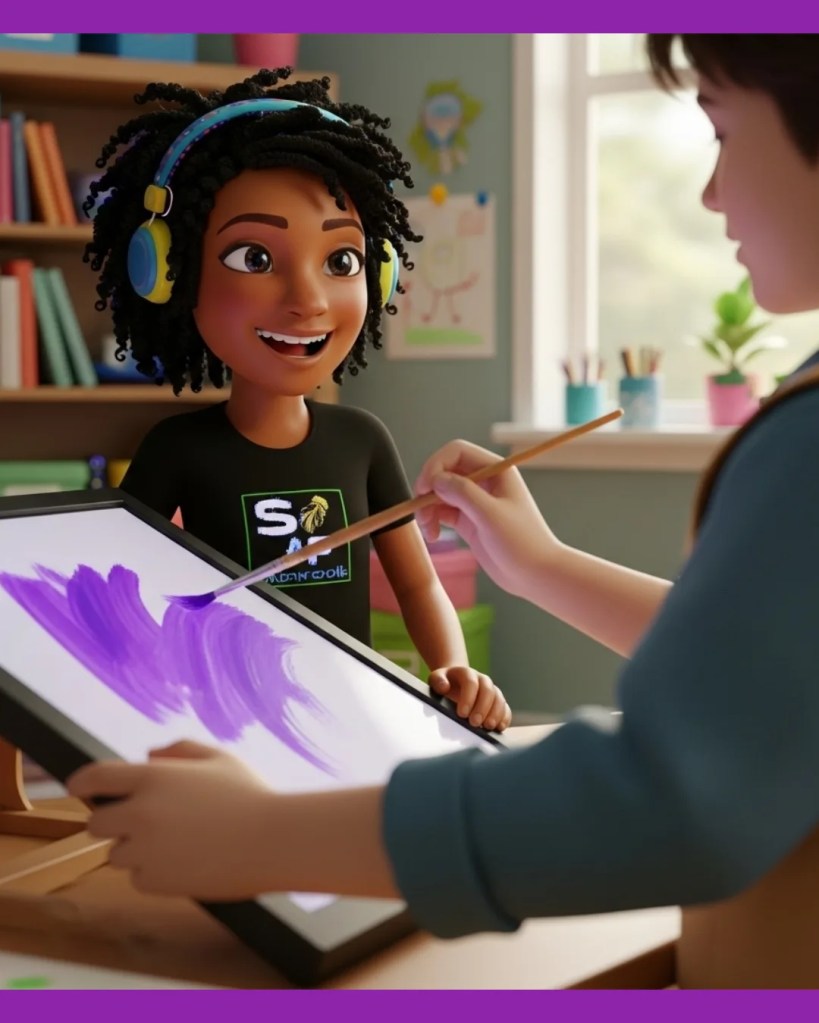
The final step is the moment of Social Agency. This is where your students transmute the song into their own Authentic Voice. It’s not just a “task.” It’s the moment they stop being “learners” and start using English to say exactly who they are. This is where the language is no longer a subject; it is their own.
One example of this stage in action is the Metaphorical Transmediation Protocol, where students reinterpret a song’s emotional narrative through another conceptual domain, such as a weather forecast.
This makes the experience its own reward, turning the lesson into the autotelic, optimal experience of Flow.
For teachers who want to see how these scientific principles translate into real instructional materials, the Pedagogical Song Index provides a curated, CEFR-aligned database of songs selected using these exact criteria.
Your Research-Backed Partner in the Classroom
So you see, the Song Activity Factory isn’t just a website with fun activities. It’s a complete system. It’s a teaching philosophy built on the real science of how people learn.
When you use the BEAT+ Method, you’re working with proven principles. You’re creating a classroom that’s more effective, more engaging, and honestly, just more JOYFUL. For your students and for you.
Frequently Asked Questions (FAQ)
How do song activities help with ESL grammar?
Song activities don’t just teach grammar: they Activate it. We use lyrics to help students notice the structures they already recognize on paper but haven’t been able to use in conversation yet. This makes grammar acquisition more intuitive and memorable.
Why are songs good for teaching English pronunciation?
Songs model the natural rhythm, stress, and intonation of English. Singing along helps students practice the physical movements of speech, improving their flow and accent in a low-pressure, enjoyable way.
How can I use songs to engage reluctant teen students?
Songs connect learning to students’ personal interests and culture. Using popular music lowers their anxiety (“affective filter”) and creates a relaxed atmosphere where teens feel more comfortable participating, expressing opinions, and taking risks with language
What are the main benefits of using music in the ESL classroom?
The key benefits include increased motivation, improved memory for vocabulary and grammar, better pronunciation, and authentic cultural exposure. Music also creates a positive and collaborative learning environment
How does the BEAT+ Method go beyond simple gap-fills?
Unlike basic gap-fills, the BEAT+ Method is a journey toward Social Agency. We move from simple listening to finding an Authentic Voice where students use English to express exactly who they are.
Can I use these song activities for online English classes?
Absolutely. All our activities are designed to be flexible for both in-person and online environments. The collaborative and creative tasks are perfect for breakout rooms and digital projects, aligning with modern song-based lesson plans for teaching English online.
How do songs help teach 21st-century skills like collaboration?
My MUSIC+ framework builds in The Activation Loop. Students must use their newly activated language tools to negotiate meaning and solve problems. This makes English an automatic habit rather than a translation exercise.
Author Bio:
About the Author:Márcia Bonfim is an ESL/EFL teacher and creator of the Song Activity Factory. She helps educators create engaging lessons using her signature BEAT+ Method, which features the MUSIC+ Framework. You can discover her complete methodology summary here.
 Song Activity Factory